
Manténgase sano!
- Posted March 26, 2026
Ultra-Processed Foods Harm Fertility In Both Men And Women, Studies Reveal
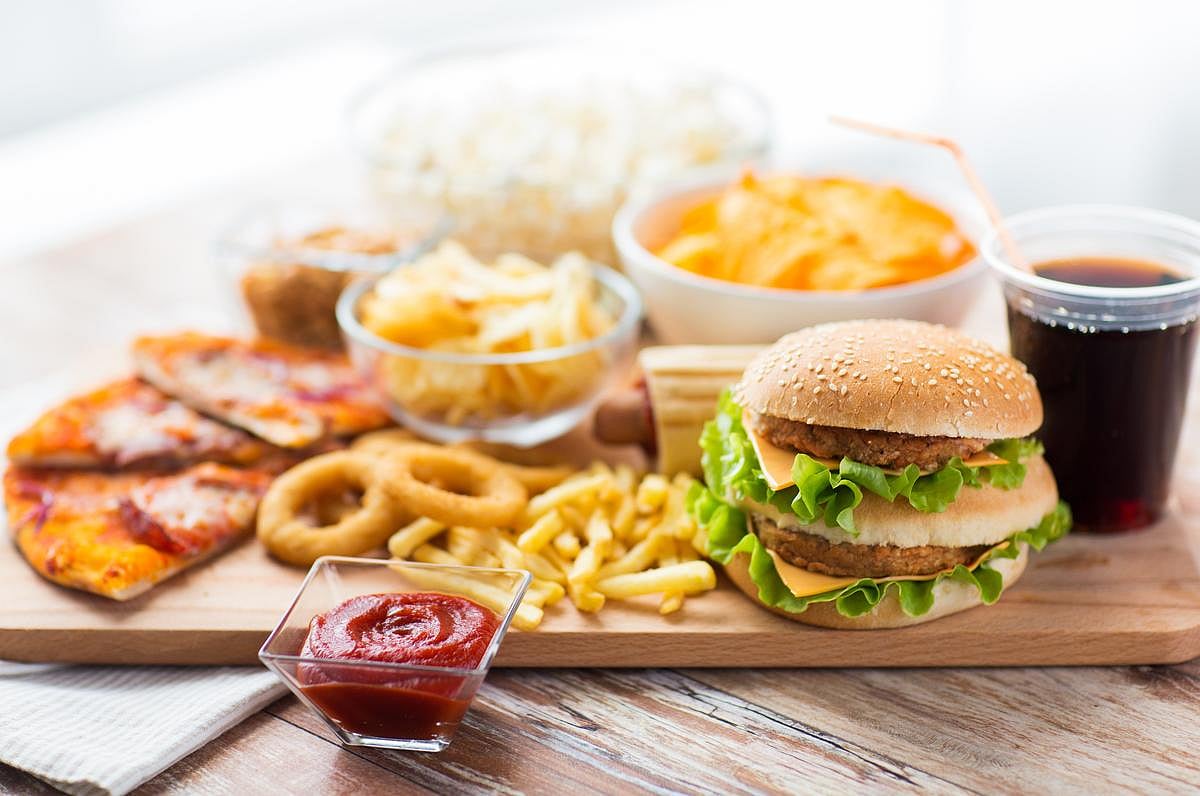
Potato chips, snack cakes, frozen pizzas and sugary drinks could be keeping countless couples from starting families, a pair of new studies report.
Ultra-processed junk food harms fertility in both men and women, undermining their odds of conceiving a child, two teams of researchers found.
“Our findings suggest that a diet low in UPFs would be best for both partners, not only for their own health, but also for their chances of pregnancy and the health of their unborn child,” researcher Dr. Romy Gaillard said in a news release. Gaillard is a pediatrician at Erasmus University Medical Center in Rotterdam, The Netherlands.
Her team found that large amounts of ultra-processed foods reduced fertility in men and contributed to slower embryo growth during pregnancy, according to findings published March 24 in the journal Human Reproduction.
Meanwhile, another study found that women are more likely to conceive if they eat lower amounts of ultra-processed foods. That report appeared in the journal Nutrition and Health.
“It suggests diet may be an important and measurable factor associated with women’s ability to conceive,” said the senior researcher on that study, Anthea Christoforou, an assistant professor of kinesiology at McMaster University in Ontario, Canada.
“It’s one thing to say ultra-processed foods contribute to weight gain or cardiometabolic disease,” Christoforou said in a news release. “But if they’re also affecting hormone pathways, that’s a much bigger issue -- and it’s something people aren’t as aware of.”
Ultra-processed foods are made mostly from substances extracted from whole foods, like saturated fats, starches and added sugars. They also contain a wide variety of additives to make them more tasty, attractive and shelf-stable.
Examples include packaged baked goods, sugary cereals, ready-to-eat or ready-to-heat products and deli cold cuts.
Ultra-processed foods now account for up to 60% of daily calories consumed in some wealthy nations, researchers said in background notes.
Gaillard’s study analyzed data from 831 women and 651 male partners taking part in a Dutch study of parents. Couples joined the study prior to conception or during pregnancy between 2017 and 2021.
Researchers assessed the parents’ diet at around 12 weeks of pregnancy, using a food questionnaire to calculate their intake of ultra-processed foods.
Results showed eating more ultra-processed food made it 63% more likely that a man would struggle to achieve pregnancy with his partner.
“In men, we observed that higher UPF consumption was related to a higher risk of subfertility and a longer duration until pregnancy was achieved,” lead researcher Celine Lin, a doctoral student at Erasmus University Medical Center, said in a news release.
The team also found slightly smaller embryonic growth and size by the seventh week of pregnancy among women who ate lots of ultra-processed food.
“Our study shows for the first time that UPF consumption in men and women is associated with fertility outcomes and early human development,” Gaillard said.
In the second study, Christoforou and colleagues analyzed data from more than 2,500 women participating in a U.S. health and nutrition survey.
These results showed that higher ultra-processed food intake was associated with 68% lower odds of fertility among women, after accounting for other risk factors.
“Most of what we hear about ultra-processed foods focuses on calories and obesity,” Christoforou said. “But our findings suggest something potentially more complex – there seems to be another mechanism at play which may reflect pathways beyond calories or weight, including chemical exposures that have been hypothesized in prior literature.”
Lead researcher Angelina Baric, a graduate student at McMaster University, elaborated.
“Ultra-processed foods often carry chemicals like phthalates, BPA and acrylamides, which can leach from packaging or even from the plastic machinery used during processing," she said in a news release. "These compounds are known to disrupt hormones, and that may be part of why we’re seeing a link.”
While it’s difficult to completely avoid ultra-processed foods, Baric said people would do best to steer clear as much as possible.
“It’s not about perfection – it’s about noticing how food is processed, choosing more foods in their natural states and picking ingredients you recognize,” Baric said. “Even that simple shift can lower exposure to things we still don’t fully understand.”
More information
The American Heart Association has more on ultra-processed foods.
SOURCES: European Society of Human Reproduction and Embryology, news release, March 23, 2026; McMaster University, news release, March 19, 2026; Human Reproduction, March 24, 2026; Nutrition and Health, March 19, 2026


